
These alliances lead to shared resources, increased visibility and access to new customer bases, which ultimately drives growth without a substantial capital investment that not many small businesses have. It is essential to have a clear vision of where you want your business to be in the future and develop a roadmap to get there. This roadmap should include specific goals and milestones that will help you track your progress and make adjustments along the way. Most businesses should scale slow and deep instead—building strong customer relationships, adapting to local market conditions, and developing robust operational systems.
Should I hire more employees or outsource when scaling?

And, finally, the third set of steps describes four scaling strategies and techniques. Strategy Ladders helps businesses escape daily operations and achieve growth through tailored strategies and expert insights. Now that you’ve looked at some of the concrete steps you can take to scale, consider how each fits into a larger growth plan for your business. If you’re struggling to prioritize, the tips below might help clarify where you need to dedicate the most time to optimizing.
Marketing and Customer Acquisition for Business Growth

Prioritize vendors that can offer flexibility, innovation, and a strong partnership that aligns with your business strategy and can contribute to your overall growth and success. Although short-term sales are great, it isn’t a sustainable way to think about your scaling strategy. Focusing too much on turning a short-term profit without putting the required energy into your product or service offering can be how to scale a small business detrimental. Regardless of the volume of sales you achieve, if your customers aren’t happy with the value you’re providing them, it can detract from your long-term goals.
Mistakes to avoid in scaling
- It is crucial to have a solid financial plan in place and regularly monitor your cash flow to ensure you have the necessary resources to sustain growth.
- Without a sense of where you want to be, how will you develop a business plan to get there?
- Scaling a business means increasing its ability to generate revenue or expand operations without also increasing costs.
- Additionally, fostering a positive workplace culture can lead to higher employee satisfaction and retention rates.
- By carefully analyzing these factors and ensuring that your business is well-prepared for growth, you can make an informed decision and set your small business up for success.
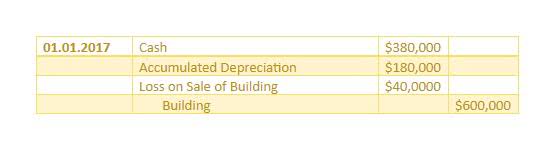
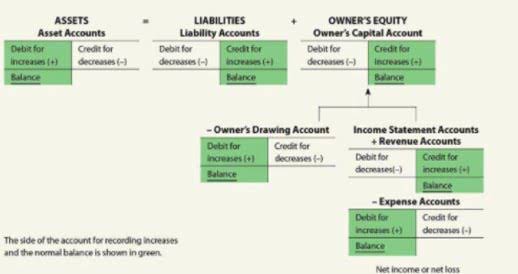
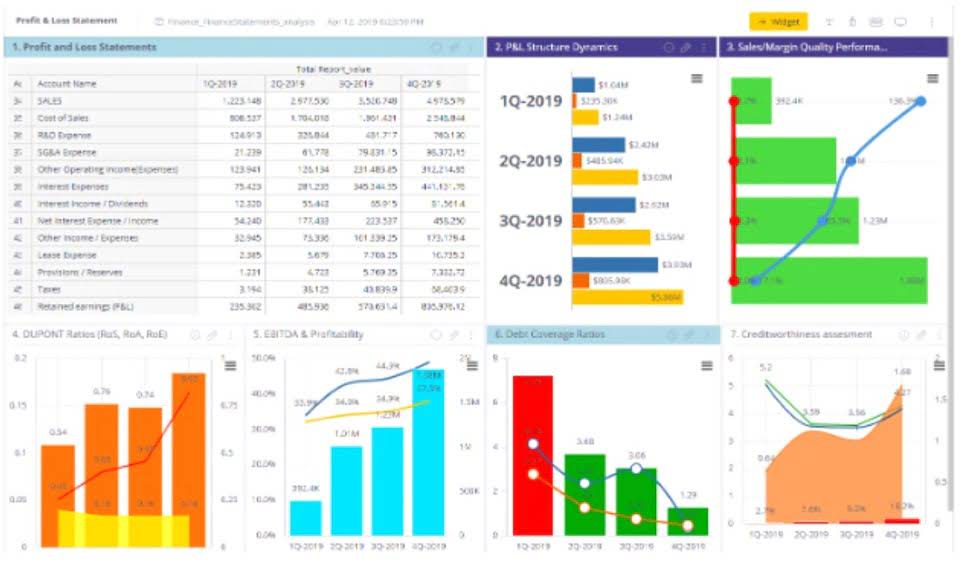
Profit margins play a crucial role in scaling a business since they directly impact the sustainability and long-term viability of the expansion. While scaling can bring in increased revenue, maintaining healthy profit margins is essential to cover growing expenses, invest in further expansion, and ensure the business remains financially stable. Additionally, healthy profit margins allow businesses to attract investors, access capital for further growth, and https://irrsinn.cc/2022/05/10/the-accounting-equation-key-to-understanding/ build a resilient foundation for sustainable long-term success. Scaling a business means increasing its ability to generate revenue or expand operations without also increasing costs.
Entrepreneurs with limited credit history can also explore poor credit loans, which, if managed responsibly, may provide a vital opportunity to fund expansion while gradually improving financial credibility. XA business line of credit How to Invoice as a Freelancer offers flexible funding that can help manage cash flow fluctuations and finance unexpected expenses during periods of rapid growth. Scaling requires financial resources to invest in infrastructure, hire new staff, expand marketing efforts, and more. Assess your financial situation and explore different funding options, such as loans, grants, or angel investors. Prepare a comprehensive business plan and financial projections to demonstrate your growth potential and return on investment. For service-based companies aiming to scale past the $10M mark, working with CFO support for growing businesses can provide the strategic financial guidance needed to eliminate bottlenecks and grow sustainably.
- This deliberate pace allowed them to maintain their environmental values while building genuine community connections.
- Uber had inadvertently undermined the most vulnerable communities who relied most heavily on public transportation.
- Sales scaling, on the other hand, focuses more on automating tasks and workflow automation to make sure that there’s a system behind all activities.
- Many innovations begin as promising breakthroughs, but they need time to mature.
- This means that you can increase your profit margins and generate more revenue.
For example, a software as a service (SaaS) brand could easily handle a significant increase in customers simply by adding more servers to its system. To identify new opportunities for scaling, look for unmet demands and emerging markets by analyzing customer needs, industry trends, and competitor activity. Once you’ve identified potential areas for growth, you’ll need to use market data and customer insights to decide which gaps your business can fill. The decision to seek out investors or bootstrap is highly personal and depends as much on your personality as your growth goals or the scalability of your business model. Doing it all yourself can come with financial pressure, but you won’t need to answer to anyone but yourself. On the flip side, venture capital funds and angel investors can give your business a big cash infusion, but with that funding comes a set of growth expectations you’ll need to meet to keep the money coming.
Scaling with a stable customer base ensures that there is a demand for your offerings and reduces the risk of expanding too quickly. One key factor to consider when deciding to scale your small business is market demand. It is important to assess whether there is a significant demand for your product or service beyond your current customer base. Conducting market research and analyzing industry trends can help you determine if there is potential for growth in your target market. Choosing the right vendors for your business involves looking at things like vendor reputation, reliability, pricing, quality of products or services, and their ability to meet your business’s specific needs. Look at the vendor’s track record, financial stability, and their capacity to scale alongside your business.
This approach creates resilient businesses and healthy communities, rather than meteors that burn bright and crash hard. To project future revenue and expenses during expansion, analyze historical data and market trends to identify patterns and potential growth opportunities. Rather than aiming for overnight success, plan for sustainable growth by carefully planning your scaling strategy, finding the right financing, and updating your plan as it changes. Promotional offers — like “buy one, get one” or “20% off” — can attract new customers by providing an incentive to try a product or service at a discounted price. Additionally, well-crafted promotions can foster customer loyalty and repeat business, contributing to sustained growth by encouraging existing customers to buy more. But without a little planning, business owners may stay mired in focusing on daily tasks and to-dos and may not take time to come up for air to work on their business strategy for growth.